
Even
though we learn a great deal in school, some of the most essential
skills we need as adults aren't universally, formally taught. Here are
some of the subjects and skills we wish we'd learned in school early on
(and which you can still learn now. It's never too late!).
10. Computer Science

With all the emphasis on learning to code these days, it's hard to believe most schools aren't teaching computer science. According to Code.org,
though, 9 out of 10 schools aren't teaching coding classes—even though
engineering and programming are among the fastest growing and most
profitable professions today. Even if you don't plan to become or raise a
future programmer, learning to think like a computer scientist is a fundamental skill everyone could benefit from, similar to learning physics or English composition.
9. Speed Reading

Being a speed reader doesn't make you a genius or necessarily help you truly comprehend books more than everyone else, but speed reading techniques can still be useful to know. Techniques like skimming, for example, to get a preview of a book before you dig in, and clustering the words you read to get the overall gist of a long piece quicker, could help time-strapped students with their incredibly long reading lists.
Comprehension
is more important than churning through texts, but it's nice to have a
speed reading skill at your disposal even later in life.
8. Time Management Techniques

Time management
courses are usually reserved for CEOs and upper management employees,
but if there's one thing a busy student or worker (of any age) needs to
learn, it's how to make the most of their limited time. Time management
techniques might be taught here and there in unrelated courses for
students from elementary school to college, but perhaps our
procrastination and productivity issues would be lessened if we were
taught GTD or other productivity techniques in high school or earlier.
7. Study Skills (or Learning How to Learn)

The
ultimate life hack is "learning how to learn." As with time management,
the best teachers incorporate study skills into their classes, but it's
not formally taught in all schools. Learning to take better notes, using more efficient ways of studying (highlighting doesn't work as well as taking practice tests) and, perhaps most important, remembering what you study are all fundamental skills every student should develop.
6. Basic Money Management

Teaching kids about money
should start in the home, but, as you know, many of us weren't
fortunate enough to get that early personal finance education. Math
classes could incorporate some real world examples to teach kids the
basics of budgeting, debt, compounding interest, and simply saving more than you earn. At least teach this essential lesson, via the Oatmeal:
 Expand
Even more confounding than common core math!
5. Survival Skills
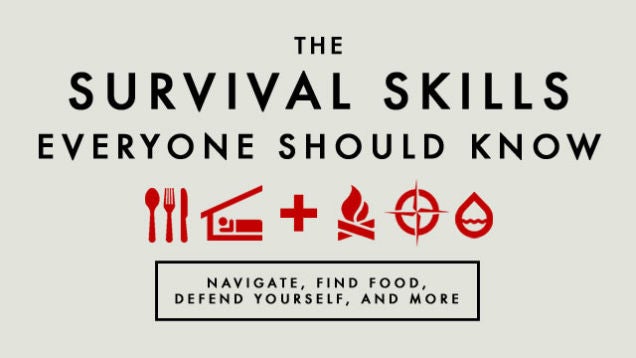
Whether or not we're headed towards a Zombie Apocalypse,
some survival skills are good for everyone to learn (you never know
when your car is going to break down in the woods, for example, or you
have more modern/urban emergencies like someone breaking into your
home). Wilderness survival skills include things like building a fire and finding water and urban survival skills include things like how to make meals from very limited supplies. In both scenarios, life-saving first aid skills are important.
4. Negotiation Skills

It's amazing the number of times negotiation is needed in our lives—when we're buying a car, trying to get our bills reduced, negotiating our salary, or even just trying to get our significant other to get pesky chores done. Many schools have debate teams, but negotiation is something we could all learn to be better at.
3. Basic Self-Defense

One semester in high school, I was taught square dancing for gym class. I think basic self-defense moves
would've served me better today. (To be fair, the school also taught
Judo, but only for the boys. We girls got to do "modern dance.")
2. Mental Health

Gym
classes are meant to reinforce the importance of physical health, and
school overall is there to strengthen our minds, but unless you're
taking a psychology class, chances are mental health doesn't get
explored much. All of us have to deal with mental health issues from
time to time, whether it's how to handle stress or anxiety…or more difficult subjects like depression or addiction
(personally or with someone you know). When mental health topics rise
in the news or something tragic befalls part of the student body, we
talk about it more, but we'd all benefit if the discussions happened
earlier.
1. How to Apply for and Interview for a Job

If the point of school is to help prepare us for work and to become productive, successful citizens, then shouldn't exploring our career options, interviewing for jobs, and writing effective resumes
be part of our education? Granted, colleges at least have career
guidance services, but, again, the earlier we learn these skills, the
better, probably.
No comments:
Post a Comment